
029-81163280
13519147002
Basic Product Attributes: A Perfect Blend of Science and Art
Coconut milk flavoring is not a single chemical component, but a carefully formulated complex flavor solution. From a technical perspective,
this product possesses the following core attributes:
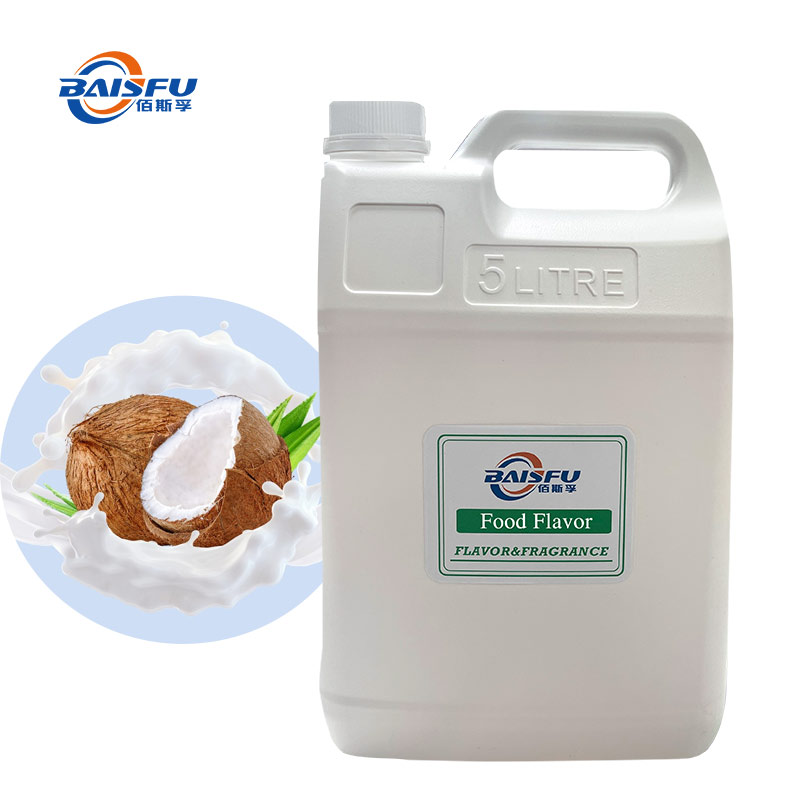
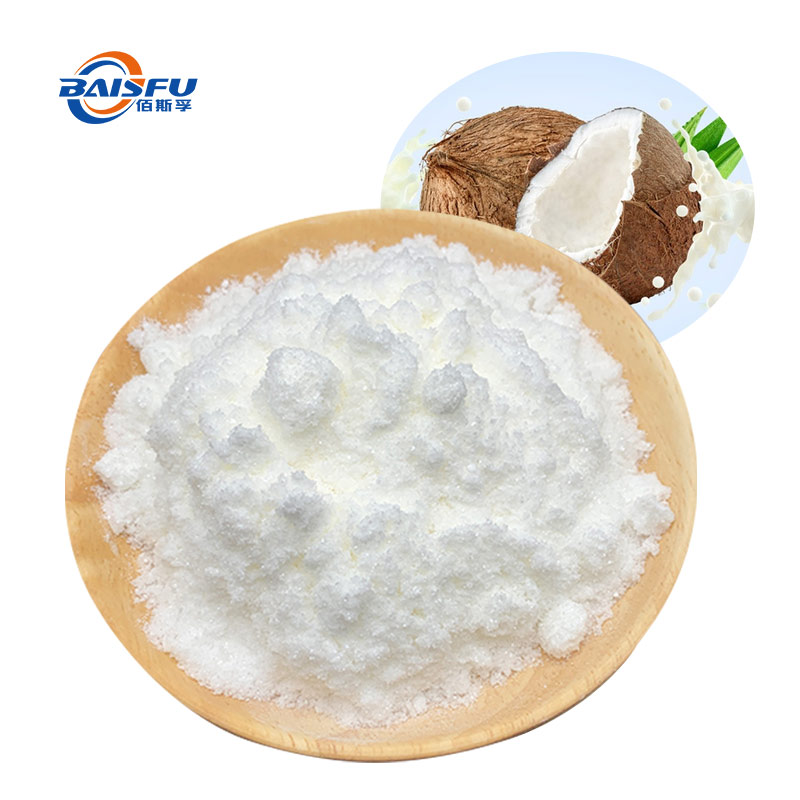
1. In terms of physical properties, coconut milk flavoring is primarily a transparent to slightly cloudy liquid, and in some special applications,
it is also available in powder form (microcapsule form). This flexibility allows manufacturers to choose the most suitable dosage form according
to different production processes.
2. Solubility design is one of the technical highlights of this product. For different applications, the flavoring can be divided into three categories:
water-soluble (suitable for various beverages and clear liquid drinks), oil-soluble (suitable for chocolate, non-dairy creamer, and high-fat products),
and emulsified (water-oil compatible, specifically designed for ice cream, dairy products, etc.). This refined classification ensures that the flavoring
can be evenly dispersed in various food matrices, achieving optimal flavor expression.
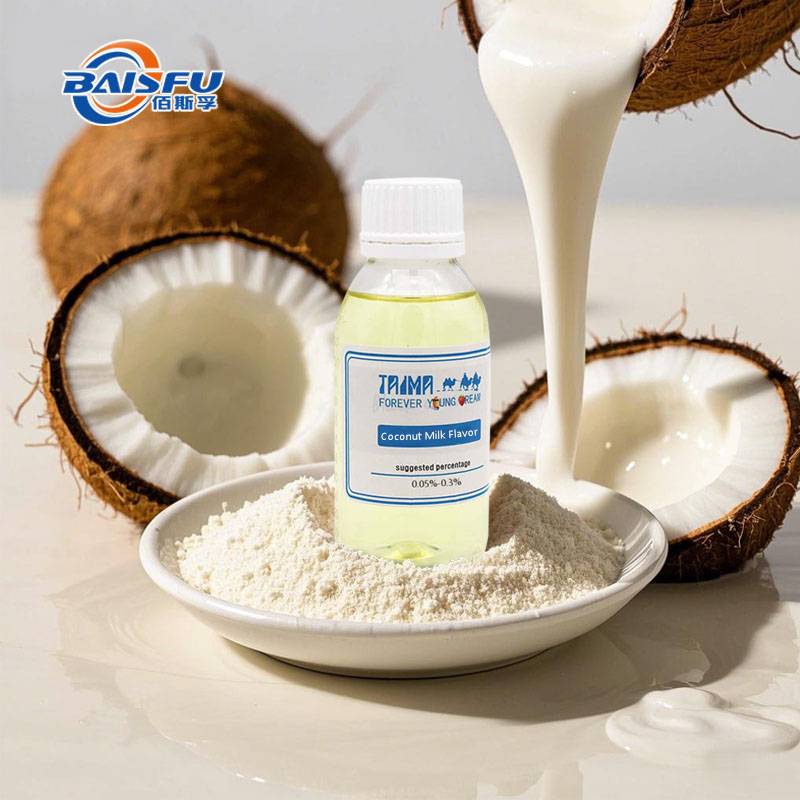
3. Regarding concentration and dosage, as a highly concentrated product, the recommended addition amount of coconut milk flavoring is
typically 0.05% - 0.3%, and the specific dosage can be adjusted according to the production process and target flavor intensity. The high-concentration
design not only reduces logistics and warehousing costs but also provides manufacturers with more flexible formulation options.
4. Flavor characteristics are the soul of this product. The high-quality coconut milk flavoring precisely captures the core flavor structure of fresh coconut milk
—possessing both the unique, delicate aroma of coconut and a rich, smooth texture similar to dairy products. It skillfully balances the "freshness" and "milky"
qualities of coconut, avoiding the "chemical" or "soapy" feel common in ordinary coconut flavorings, achieving a high degree of flavor fidelity.
5. Storage: When stored in a sealed, cool, and dark place, the product has a shelf life of 12-24 months.
Application domain: Full coverage across all scenarios, from beverages to baking.
1. The beverage industry is one of the largest application markets for coconut milk flavoring. In the plant-based beverage sector, it can be used in coconut milk drinks,
coconut-flavored oat milk, coconut-flavored almond milk, and other products, not only giving the drinks a pure coconut milk flavor but also effectively masking the
beany or astringent taste of plant proteins. In addition, coffee-flavored syrups and milk tea bases are also important applications for coconut milk flavoring.
2. The dairy and frozen dessert sectors also favor coconut milk flavor. Adding coconut milk flavoring to ice cream, popsicles, yogurt, and other products can create
richly layered tropical flavors. Especially in plant-based ice cream (dairy-free ice cream), coconut milk flavoring can compensate for the lack of milk fat in the texture,
enhancing the "creamy" feel and overall enjoyment of the product. High-end desserts such as cheesecake and mousse often use coconut milk flavor to create
differentiated products.
3. Baked goods are another noteworthy application area. Coconut milk flavoring has excellent heat resistance, maintaining flavor stability with minimal flavor loss
during baking at temperatures above 180°C. This makes it an ideal choice for baked goods such as cookies, cakes, and bread. Especially in classic products like coconut
bread and coconut cookies, adding a suitable amount of coconut milk flavoring can significantly enhance the flavor profile, making the coconut aroma richer and
longer-lasting.
4. The confectionery and chocolate industry also benefits from the popularity of coconut milk flavor. In products like hard candy, soft candy, and toffee, coconut milk
flavoring provides a refreshing and not-too-sweet experience. In products like chocolate fillings and non-dairy creamer, the oil-soluble coconut milk flavoring blends
perfectly with cocoa butter, creating silky smooth tropical-flavored chocolate products.
5. Savory foods and sauces are an important application area for coconut milk flavoring. With the global popularity of Southeast Asian cuisine, the demand for coconut
milk-flavored savory foods is constantly growing. In products such as Thai curry sauce, coconut chicken soup base, and Southeast Asian-style puffed food seasoning
powder, adding coconut milk flavoring can enhance the authenticity and richness of the flavor, allowing consumers to enjoy authentic tropical flavors at home.
The rising star of flavor innovation
The success of coconut milk flavoring is no accident; it reflects the contemporary food industry's dual pursuit of authentic flavor and application flexibility. From a technical perspective, its breakthroughs in solubility design, heat resistance, and flavor reproduction provide food manufacturers with reliable formulation solutions. From a market perspective, it accurately captures consumers' comprehensive demand for exotic flavors, plant-based diets, and healthy tastes, possessing broad market prospects.
Looking to the future, with the continuous advancement of food technology and the increasingly diverse tastes of consumers, the application scope of coconut milk flavoring agents will continue to expand. We can expect to see more innovative products with coconut milk flavoring - from functional foods to sports nutrition products, from infant complementary foods to elderly foods - all of which will showcase the unique flavor value of coconut milk flavoring agents.
For food manufacturers, choosing high-quality coconut milk flavoring essence is not only a shortcut for product innovation, but also a strategic choice to seize the market opportunity. In this era that values diverse and authentic flavors, coconut milk flavoring essence, with its unique tropical charm, is leading the trend of innovation on the taste buds.